
Muscle GrowthHormone Optimization
Follistatin (FST)
Potent myostatin inhibitor for muscle hypertrophy
Overview
Follistatin is a naturally occurring glycoprotein that acts as a potent antagonist to Myostatin (GDF-8) and Activins. By inhibiting these negative regulators of muscle mass, Follistatin 'releases the brake' on muscle growth, promoting significant hypertrophy and strength. It is extensively researched for treating muscle-wasting conditions like dystrophy and cachexia.
Chemical Information
IUPAC Name
Follistatin-344 / Recombinant Human Follistatin
Sequence
Recombinant Protein (315 or 344 amino acids)
Molecular Mass
~35-40 kDa (Glycoprotein)
Formula
Protein (Complex)
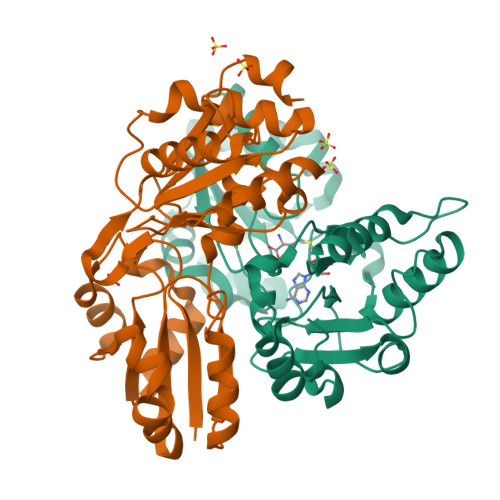
Mechanism of Action
Functions as a high-affinity binding protein that neutralizes members of the TGF-β superfamily, specifically Myostatin (GDF-8) and Activin A/B. Normally, Myostatin binds to the Activin Receptor Type IIB (ActRIIB) to signal *against* muscle growth (limiting size). Follistatin traps Myostatin in a complex, preventing it from reaching the receptor. This effectively removes the 'growth limit,' allowing for rapid satellite cell proliferation and muscle fiber hypertrophy. Additionally, by blocking Activins, it suppresses fibrosis and inflammation in damaged tissues, promoting 'clean' regeneration without scar tissue.
Potential Research Fields
Muscular DystrophySarcopeniaCachexiaFibrosisMetabolic Syndrome
Recent Research
Current research (2024–2025) explores Follistatin beyond simple muscle building. While it remains the 'gold standard' for reversing sarcopenia (age-related muscle loss), new studies highlight its anti-fibrotic capabilities. In liver and lung fibrosis models, Follistatin administration successfully blocked Activin A, preventing scar tissue formation and preserving organ function. Additionally, metabolic research suggests it induces the 'browning' of white adipose tissue, increasing thermogenesis and combating obesity. This positions Follistatin as a dual-action agent: building lean mass while improving metabolic health.
Bibliography / Scientific References
- [1]Follistatin Gene Therapy for Muscular DystrophyMolecular Therapy • 2015 - Demonstrated increased muscle mass and reduced fibrosis in clinical trials.
- [2]Follistatin promotes brown adipocyte characteristicsDiabetologia • 2014 - Showed potential for metabolic improvement via browning of fat.
Related Peptides
Peptide Information Guide
Administration Type
Injectable (Intramuscular)Injectable administration protocol for research.
Vial Strength
1mg
Reconstitution
Reconstitute with 1ml bacteriostatic water
Dosage Options
0.1 mg (10 units)
Mon-Fri
Standard protocol for 1mg vial reconstituted w/ 1ml
Schedule
5 days/week
Timing: One specific day.
Duration
4-6 Weeks
Potential Side Effects
Joint tenderness (rapid growth)
lowoccasional
Injection site soreness
lowcommon
Research Use Only
This information is for research purposes only. Always consult with a healthcare professional before starting any peptide protocol. Individual responses may vary, and proper medical supervision is recommended for all peptide therapies.